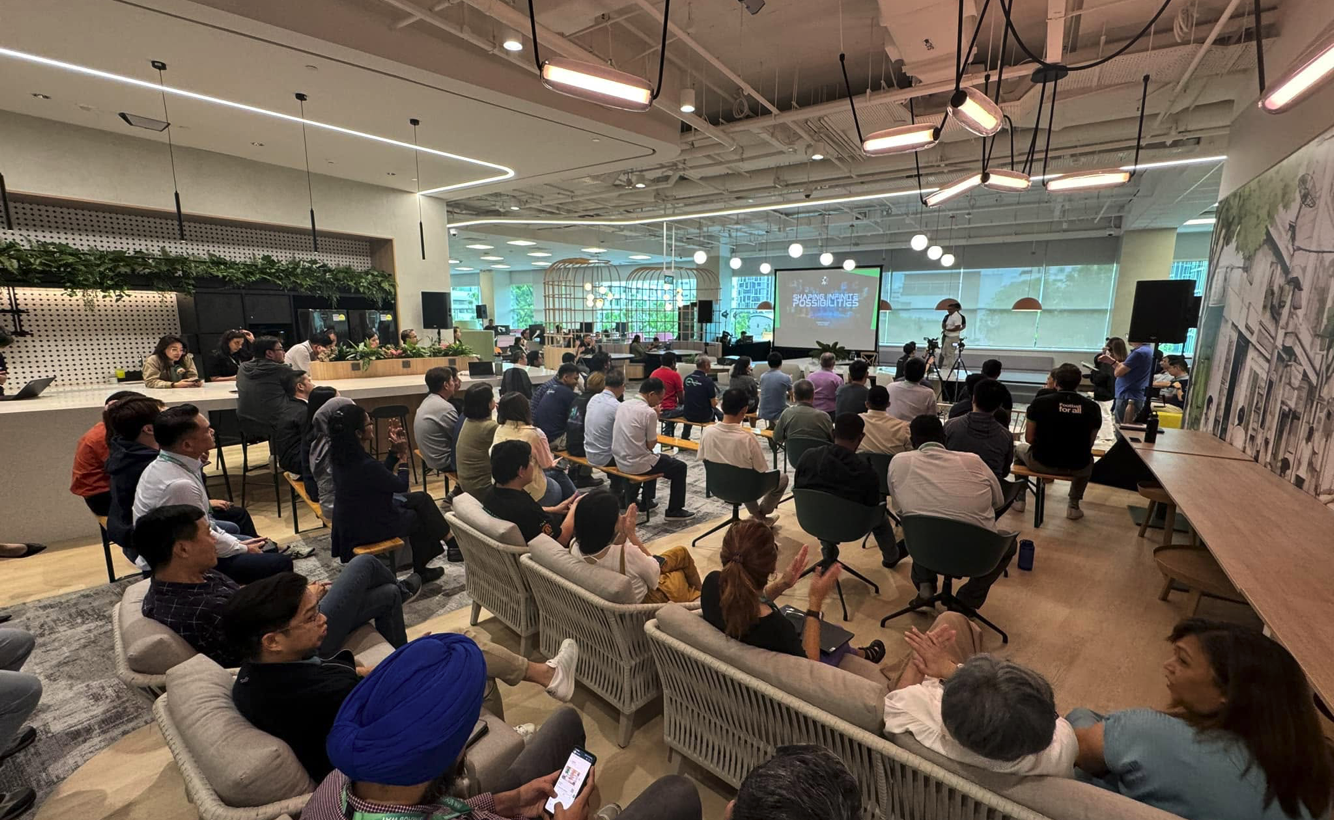
Hybrid events are no longer a pandemic-era workaround; they are a permanent fixture in the corporate event landscape. The global virtual and hybrid events market is projected to reach nearly $1 trillion by 2033, and 76% of event organizers report growing demand for hybrid formats in 2026.
But hybrid conferences come with a distinct challenge: the "second-class citizen" effect. Too often, in-person attendees enjoy a rich, immersive experience with seamless networking, while remote participants feel like they are simply watching a glorified, one-way television broadcast. If remote attendees aren't engaged, they will click away, destroying your event ROI.
To deliver a truly successful hybrid event, organizers must design the experience with the remote attendee in mind from the very beginning. Here is how to keep your virtual audience actively participating from login to logoff.
1. Design a "remote-first" run of show
The biggest mistake organizers make is taking a traditional, eight-hour physical conference agenda and simply live-streaming it. Virtual attention spans are significantly shorter than physical ones.
Cap session lengths. Recent industry data shows that 44% of attendees prefer virtual sessions under 45 minutes. Break long keynote speeches into digestible 20-30 minute segments.
Build in virtual-friendly breaks. While physical attendees are walking to the coffee station, remote attendees are likely checking their email. Build deliberate, short pauses into the schedule specifically for interactive elements, polling or brief virtual networking sessions to keep their attention on the event platform.
2. Use a dedicated virtual emcee
A live host on the physical stage is standard, but a hybrid event requires a dedicated virtual emcee. This person interacts exclusively with the remote audience, bridging the gap between the physical venue and the screens at home.
Fielding questions. The virtual emcee monitors the chat and surfaces the best questions to the physical stage, ensuring remote voices are heard.
Backstage access. During physical networking breaks, the virtual emcee can provide exclusive behind-the-scenes interviews with speakers, giving remote attendees premium content they can't get anywhere else.
Context setting. They can summarize key takeaways and guide the remote audience on what to expect next.
3. Equalize participation with interactive tools
If you want remote attendees to stay engaged, you have to require them to participate. The secret to hybrid engagement is making physical attendees use the exact same digital tools as remote attendees.
Unified Q&A. Do not pass a physical microphone around the room for Q&A. Require all attendees, in-person and virtual, to submit questions through the same mobile event app. This ensures remote questions carry the same weight and visibility.
Live polling. Data shows that 81.8% of virtual event organizers use live polling as a core engagement tool. Push a live poll to everyone's device simultaneously and display the combined results on the main stage LED screen.
Gamification. Implement a points system where attendees earn rewards for participating in polls, asking questions or visiting virtual sponsor booths.
4. Leverage AI for personalized matchmaking
In 2026, personalization is a baseline expectation. Over 60% of event attendees now actively want AI-driven personalized recommendations for sessions and networking.
Smart networking. Use AI matchmaking tools within your event platform to analyze attendee profiles and suggest relevant connections. This is especially crucial for remote attendees who cannot rely on serendipitous hallway run-ins.
Tailored agendas. Allow the platform to recommend specific breakout sessions based on an attendee's role or previously expressed interests.
5. Create purposeful virtual breakouts
Don't let remote attendees stare at a "We'll be right back" graphic during physical networking breaks.
Structured networking rooms. Organize virtual breakout rooms centered around highly specific, niche topics.
Facilitated discussions. Assign a moderator to each virtual breakout room to prompt discussion, ensuring introverted remote attendees feel comfortable chiming in. Platforms that feature robust live chat functionality often see viewers stick around 40% longer.
6. Master pre- and post-event engagement
Engagement doesn't start when the live stream begins, and it shouldn't end when the stage goes dark.
Strategic reminders. Automated reminders are critical for remote attendance. Sending push notifications via the event app one day and one hour before the event has been shown to increase virtual attendance by up to 83%.
Content repurposing. Recorded sessions, highlight clips and on-demand replays extend the value of the event. Almost half of all attendees will consume on-demand content when it is available, increasing overall content consumption and extending the lifecycle of your event.
The producer's bottom line
Producing a hybrid event means managing two entirely different audience journeys simultaneously. By shortening sessions, using a virtual emcee and leveraging AI-driven interactivity, you can ensure your remote audience remains just as captivated as those sitting in the front row.
Because managing complex AV routing, live-stream stability and a dual-track run of show is a massive undertaking, partnering with a professional event production agency is the best way to ensure your hybrid conference goes off without a hitch.