If you have just been tasked with planning your very first corporate event, seminar, or networking mixer, it is completely normal to feel overwhelmed. Event planning has thousands of moving parts, and trying to keep them all in your head is a recipe for burnout.
The secret to successful event management is to avoid looking at the mountain of tasks all at once. Instead, you need to break the process down into manageable phases. To help you stay organized and keep your sanity, here is a simplified, three-stage event planning checklist designed specifically for first-time organizers.
Phase 1: The Initial Stage (The Blueprint)
Do this as soon as you are assigned the event — ideally two to four months prior. This phase is all about establishing the foundation. Do not book anything until you have answered these core questions.
Define the core objective: Why are you having this event? Lead generation, employee team-building, or a product launch. Every subsequent decision should serve this goal.
Set a hard budget: Figure out exactly how much money you have to spend, and always build in a 15% contingency fund for unexpected costs.
Determine the date and venue: Choose a date that doesn't conflict with major holidays or huge industry conferences. Book your venue early, as the best locations in Singapore book out months in advance.
Identify your audience: Who is attending? This will dictate your catering choices, venue location, and the tone of your marketing.
Draft a high-level timeline: Work backward from your event date and set deadlines for when you need to secure speakers, vendors, and RSVPs.
Phase 2: Three Weeks Prior (The Polish)
At this point, the big pieces are in place. Now, it's time to refine the details and confirm logistics.
Confirm all vendors: Contact your caterer, AV provider, and venue manager. Confirm load-in times, final headcount guarantees, and dietary restrictions.
Draft the run of show: Create a minute-by-minute schedule of the event. It should list who is speaking, when food is served, and when breaks happen. Share this with all stakeholders.
Finalize presentations and tech: Collect all slide decks and videos from your speakers. Ensure they are in the correct format (usually 16:9 widescreen) and ready to be loaded onto the main presentation computer.
Push final RSVPs: Send out your final email blasts and reminders to boost attendance. Close ticket sales or registration if necessary to give final numbers to the venue.
Order print materials: Print name badges, directional signage, table tents, and any handouts. Doing this now leaves a buffer in case the printer makes a mistake.
Phase 3: One Day Prior (The Final Countdown)
The heavy lifting is done. Today is about physical preparation and risk mitigation.
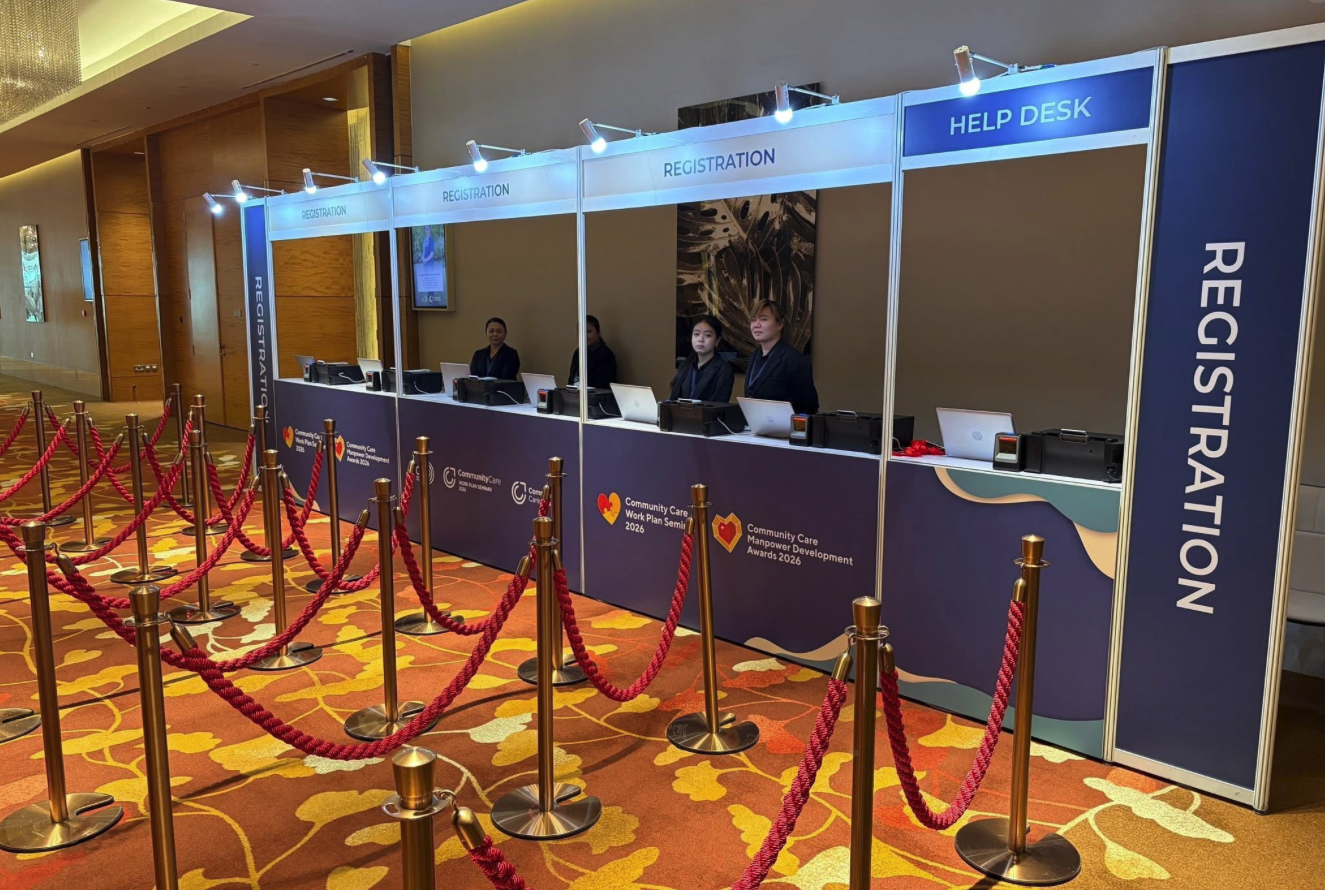
Do a venue walkthrough: If possible, walk the space. Check where the registration desk will go, locate the restrooms so you can direct guests, and verify where the AV tech desk will be situated.
Pack the event survival kit: Every experienced planner has one. Pack a bag with gaffers tape, scissors, sharpies, extra pens, blank name badges, a first aid kit, breath mints, and phone chargers.
Charge all electronics: Ensure the check-in tablets, laptops, and your personal phone are fully charged.
Send the "Know Before You Go" email: Email your attendees with vital details: parking instructions, dress code, the agenda, and what time registration opens.
Get some sleep: Resist the urge to stay up until 3:00 AM obsessing over details. You will need your energy for being on your feet all day tomorrow.
Conclusion
Planning your first event is a massive learning curve, but sticking to a structured checklist ensures nothing falls through the cracks. As your events grow in scale and complexity, you may find that managing the moving parts — especially AV logistics and vendor coordination — becomes too much for one person. When that time comes, partnering with a professional event production agency can take the stress off your shoulders and elevate your event to the next level.