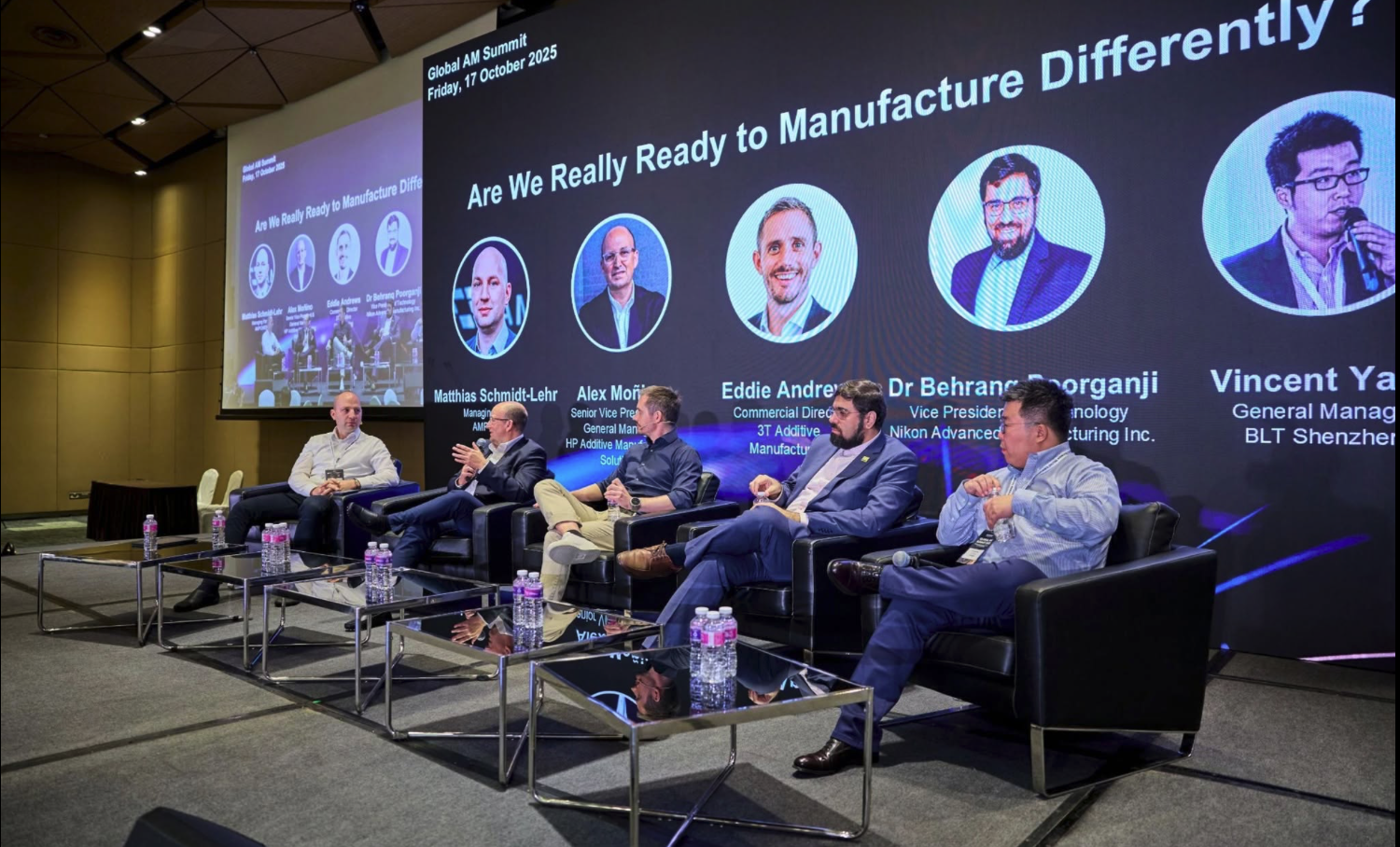
If you have ever attended a high-stakes corporate town hall or a massive hybrid conference that felt perfectly paced — where the lighting shifted right as the music swelled, the speaker walked out on cue, and their slides appeared seamlessly on the LED wall — you witnessed the work of a professional Show Caller.
Often the unsung hero of event production, the show caller is the central nervous system of any live event. While the event planner focuses on the big picture (catering, venue logistics, guest experience), the show caller dictates the exact, second-by-second execution of the production.
If your company is planning a major town hall, product launch, or annual conference, understanding what a show caller does will quickly illuminate why you cannot rely on an internal HR or marketing team to run the control desk.
The role of the show caller: the orchestra conductor of live events
A show caller (sometimes referred to as the technical director or production stage manager) is responsible for calling all the technical cues during a live event. They sit on a dedicated communications channel (comms) and give real-time instructions to the audio engineer, lighting designer, video technician, stage manager, and broadcast director.
Their responsibilities span the entire event lifecycle, from the first script to the final cue.
1. Pre-Event: Mastering the "Run of Show"
Long before the doors open, the show caller studies the Run of Show (ROS) — the minute-by-minute script of the event. A professional show caller will take your standard Excel spreadsheet agenda and turn it into a highly technical cue sheet. They ensure that every lighting change (LX cue), audio track (SX cue), and video playback (VX cue) is assigned a specific number and trigger point.
2. Technical Rehearsals: Setting the Pace
During the dress rehearsal, the show caller leads the AV crew through the technical elements. They test transitions, establish the pacing of the show, and troubleshoot complex sequences. If a speaker is known to walk on stage early, the show caller adjusts the lighting cues to accommodate that habit.
3. Live Execution: Calling the Cues
During the actual event, the show caller is the only person talking on the main production comms channel. A typical sequence sounds like a highly coordinated military operation:
"Warning Video cue 14 and Lighting cue 22" — alerting the technicians that a change is coming in 10 seconds.
"Standby Video 14 and Lighting 22" — the technicians place their fingers on the "Go" buttons.
"Video... GO. Lighting... GO" — the exact moment the action happens.
By providing warnings and standbys, the show caller ensures that multiple technicians trigger their distinct elements simultaneously, creating a seamless experience for the audience.
Why your internal team cannot be the show caller
Many companies try to save money by having their internal events manager or a marketing director "call" the show. This almost always results in missed cues, dead air, and technical anxiety.
It requires a specific technical vocabulary. A show caller speaks the language of AV. If a microphone starts feeding back or a slide deck freezes, they know exactly which technician to address and what commands to give to fix it instantly.
It demands absolute focus. An internal event planner needs to be mingling with VIP guests, checking on catering, and managing the overall attendee experience. They cannot be glued to a headset for eight hours staring at a multi-view monitor.
Crisis management. In live production, things go wrong. Speakers go off script, videos fail to load, or fire alarms go off. A professional show caller is trained to stay calm, adapt the run of show on the fly, and guide the technical crew through the pivot without the audience ever realizing there was a mistake.
The hybrid event complexity
The role of the show caller has become exponentially more critical in the era of hybrid events. In a hybrid setting, the show caller is not just directing the live room; they are also managing the broadcast feed. They must coordinate with the stream director to ensure that the virtual audience sees the correct picture-in-picture layout, the lower-third graphics trigger at the right time, and the remote speakers are pinned to the main stage screens perfectly.
The producer's bottom line
Hiring an event production company that provides a dedicated, experienced show caller is the difference between a meeting that feels like a chaotic corporate presentation and an event that feels like a premium television broadcast. If you want your executive leadership to look flawless on stage, you need a professional calling the shots from the control desk.